Most Colorado kitchen rescue stories start the same way. A homeowner calls because they're about to remodel, they've gotten a bid from a contractor to demo the existing kitchen, and the bid is uncomfortably large. The crew that quotes $1k to $2kjust to take out cabinet boxes isn't a rip-off — that's the labor rate for two trained people, half a day, plus dump fees. The alternative is renting a dumpster and the homeowner doing it themselves, which is free in dollars and brutal in weekends. So we get the call.
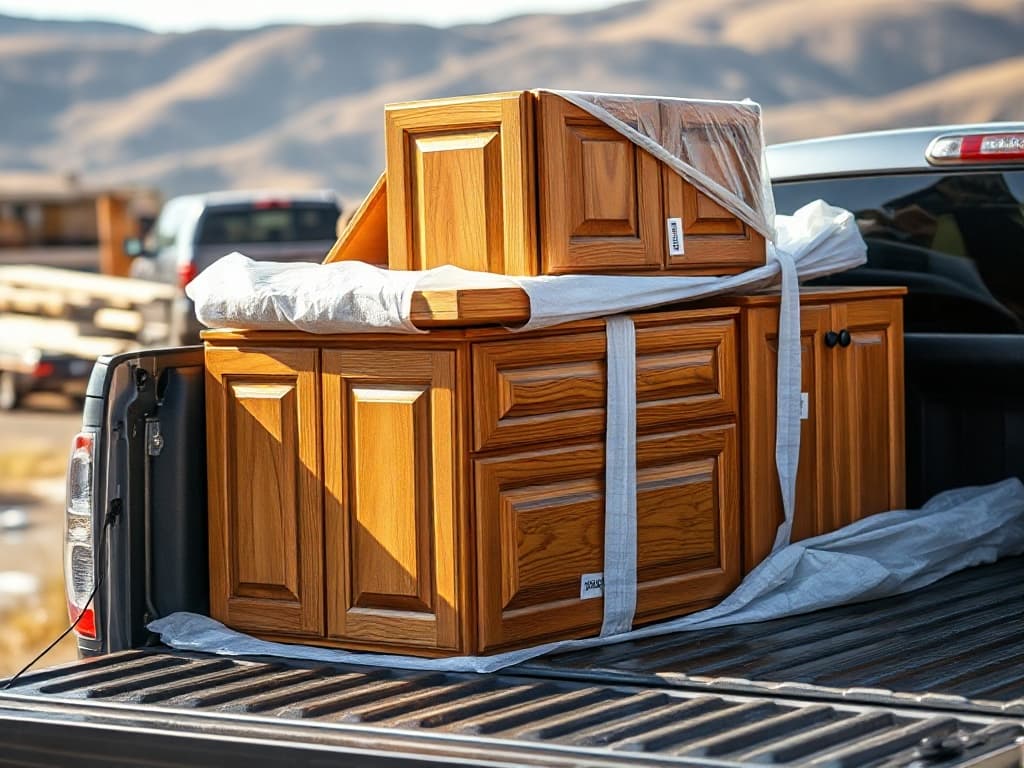
What a typical Front Range kitchen looks like before we arrive
A 1970s to 1990s ranch kitchen, somewhere between 14 and 18 running feet of upper plus lower boxes, oak or maple, builder-grade finishes, sometimes a granite or laminate top we can detach intact. The pantry is usually built into the wall, the island is usually the same boxes we see everywhere, and the cabinets have held up better than the doors suggest. We've pulled 70-year-old oak out of a north Boulder bungalow that looked brand new once the doors were off the hinges. We've also pulled 8-year-old particle-board boxes that disintegrated on the way down. Both jobs are common. Both are fine.
The Fort Collins ranch that frames this article was 1960s oak. Solid oak faces and frames, plywood sides, original brass pulls. The homeowner had lived there for thirty years, raised two kids through the kitchen, and decided it was time. The demo crew was booked for the following Wednesday. We came on the Monday before.
What we dismantle on-site, and what gets rescued
The list of what we can pull is longer than most homeowners expect. Cabinets, obviously — upper, lower, pantry, and island. Countertops, when we can lift them intact: granite, quartz, butcher block, and the heavier laminates usually come off as one slab. Bathroom vanities and tops. Sometimes a hardwood floor we can lift in continuous runs. Sometimes a backsplash we can pry off a row at a time. Light fixtures, mirrors, and the occasional appliance that still works.
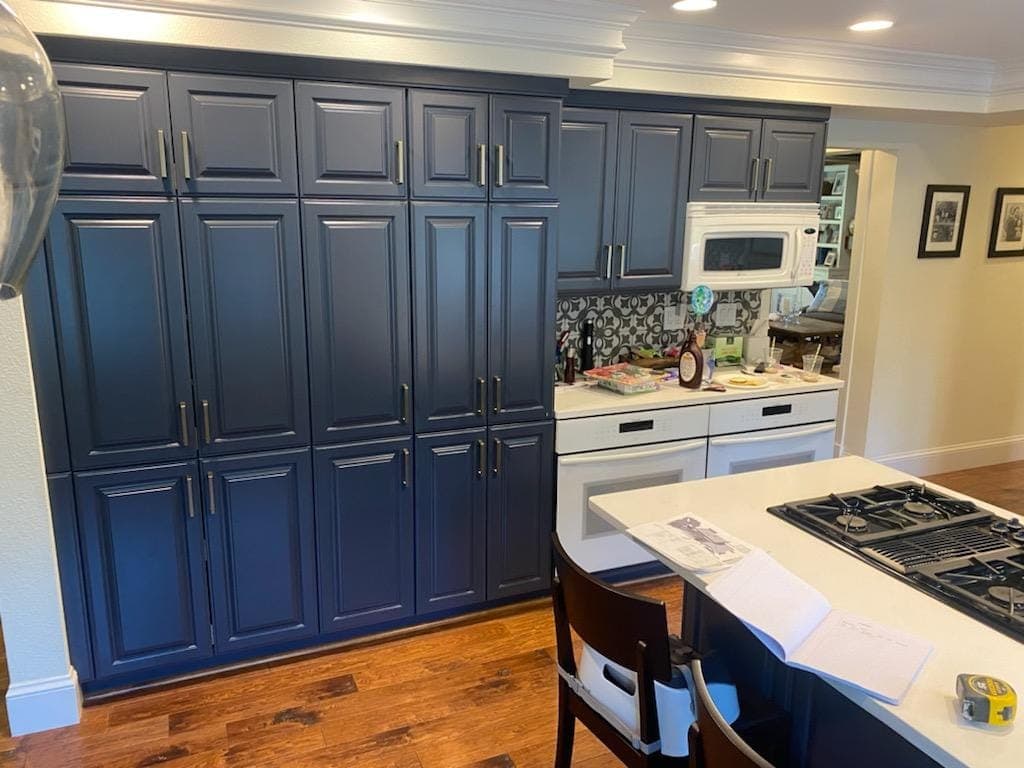
The list of what we don't send to the landfill is what makes the rescue positioning different from a junk haul. Anything reusable goes to a Front Range household first. Anything recyclable — metal, clean lumber, granite chips — goes to the Front Range MRF or a scrap yard. The short list of genuinely disposable material (drywall, broken ceramic, mixed demo debris) is the only thing headed to a C&D landfill.
Want a longer read on where the cabinets end up? See the donation route for how a different kitchen — say, cabinets that already donated and one that needed load pricing — runs through the same partner network.
Real numbers: what gets rescued vs. landfilled
On a typical kitchen rescue, roughly 70% of incoming materialis donation-grade — boxes, tops, vanities, fixtures that still have a second home in them. Another 20% heads to the Front Range MRF or a scrap yard — metal, clean lumber, intact stone. Less than 10% reaches the C&D landfill. Those numbers shift project by project, but they don't shift by much. The same range holds whether the kitchen is a 1960s ranch or a 2020s spec home.
The Fort Collins ranch was no exception. We pulled 24 upper and lower boxes, two pantry towers, an island with a butcher-block top, and a granite slab off the cooktop run. About 68% went to a partner household in Loveland. Another 22% went to the MRF — mostly the broken tile we pulled off the backsplash and a few aluminum drawer slides that had lived through three remodels. The remaining 10% was drywall and broken ceramic that had no second life.

How the rescue plays out on a real job
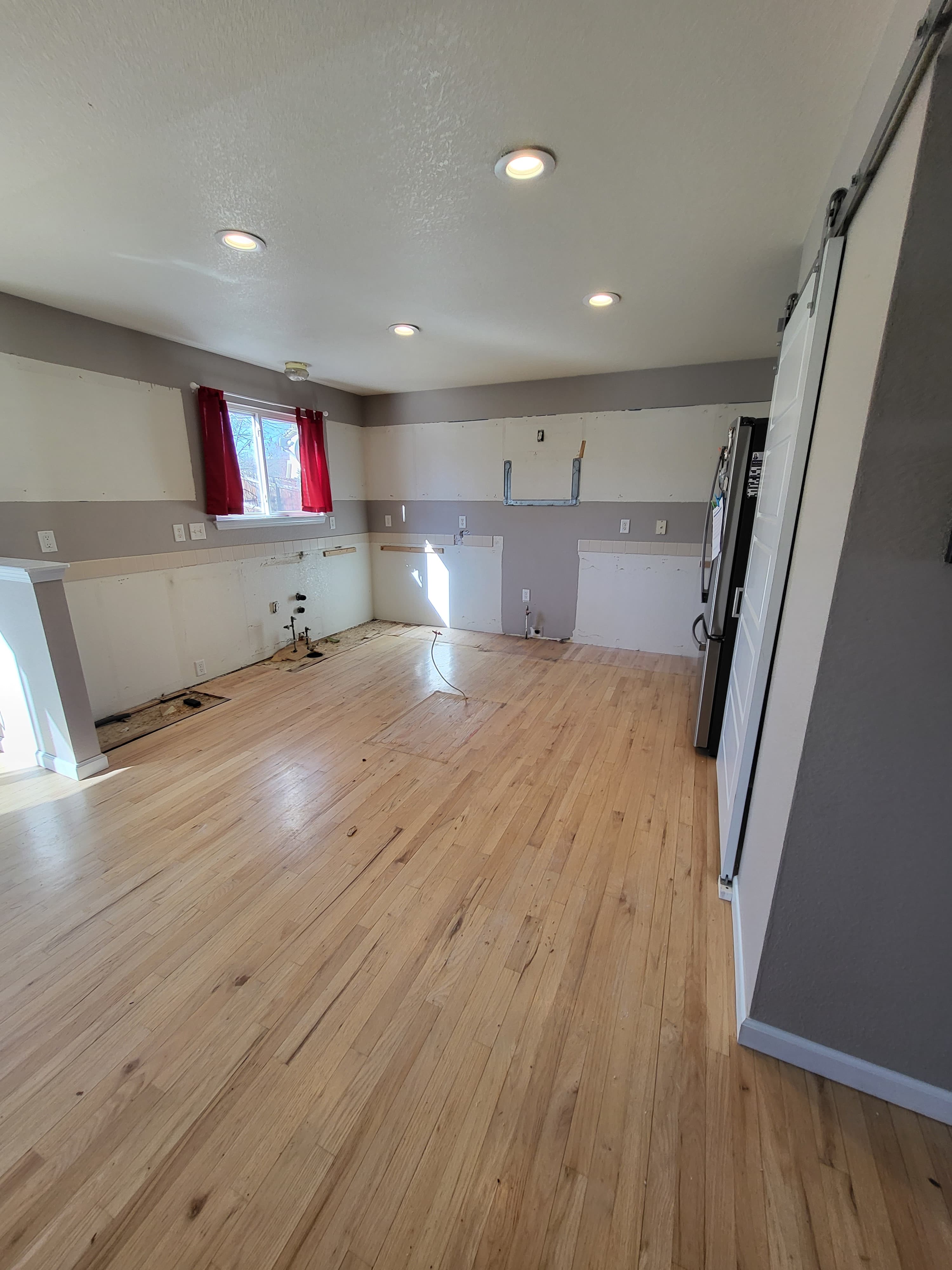
The Fort Collins visit ran about five hours start to finish. We started at 8 a.m. with the kitchen still in working order — the homeowner had made coffee, used the dishwasher, run a load. By lunch, every upper and lower box was off the wall, the pantry towers were on the truck, and the granite top had been lifted in one piece. The crew pulled one more pass at 2 p.m. for the island, the backsplash, and the three boxes the homeowner had forgotten about in the laundry room. By 3:30 p.m., the kitchen was empty, the floor was swept, and the demo crew could start work the next morning on a clean site.
That timeline isn't unusual. Most Fort Collins kitchen rescues land between three and six hours for the visit itself. If your street is in the priority service area and your materials are right for our network — most donation-grade kitchens are — we'll usually book the pickup within the week. See the Fort Collins page for the local route, neighborhood coverage, and how to send us your project.
What homeowners and contractors actually save
The Fort Collins homeowner didn't pay for the cabinet removal. They also didn't pay for the dumpster rental (somewhere between $300 and $600), the demo-crew labor on cabinet rip-out (the $1k to $2k line above), or the landfill fees that would have applied if all 2,400 lb of oak had gone to a roll-off. The donation receipt for the partner household covered the charitable-contribution side at tax time, and the cleaner job site meant the demo crew didn't have to work around the existing cabinets. Two crews, one visit, no double-handling.
If your cabinets aren't donation-grade — water-damaged MDF, a kitchen that's already in a skip-load scenario — our deconstruction crew still wins you something. See the cabinet deconstruction page for how that branch runs: contractor-grade crew, scoped quote, materials still sorted on-site for donation, recycling, or landfill — same rescue-first model, no obligation.
How to know if your kitchen qualifies
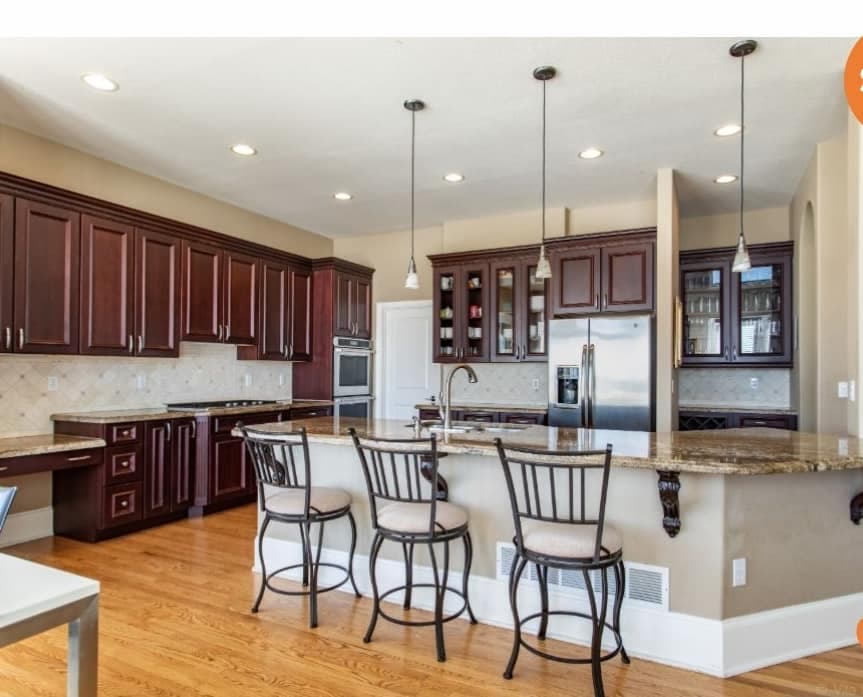
The fit check is shorter than most homeowners think. The materials we want to see on the rescue list are: any-condition oak, maple, or walnut boxes — even water-stained, even with broken doors; countertops we can lift intact (granite, quartz, butcher block, heavier laminates); bathroom vanities and tops; sinks, faucets, mirrors, and light fixtures that still work; clean lumber if we can pry it up; and any appliance that runs. We do not take: MDF that has swollen from water damage, painted boxes in a finish that will not hold up to a second install, or anything contaminated with mold or hazardous material.
If you're in the Front Range, the project fits the list above, and the cabinets are still standing, the rescue is almost certainly a fit. Send us the project through the form below — address, what kind of space, and what you need hauled. We respond within 24 to 48 hours with a real answer, not a sequence.